

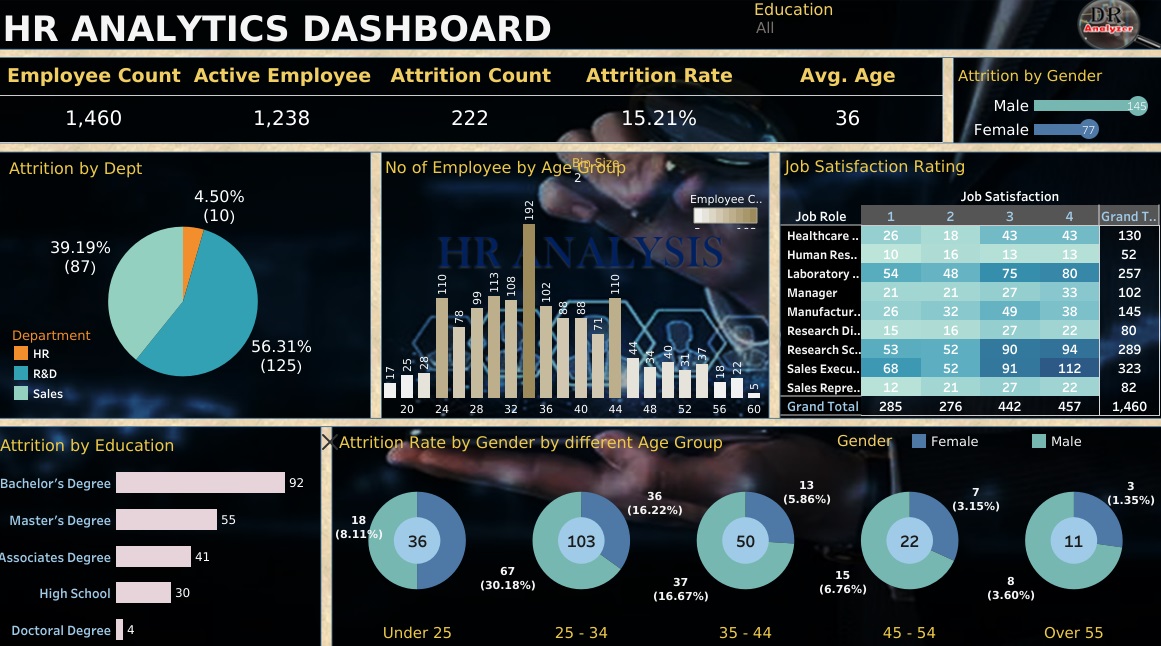
Illuminating Insights: The Power of Data Visualization
In the era of big data, the ability to comprehend and communicate complex information has become paramount. Data visualization, the art of representing data visually, has emerged as a powerful tool for transforming raw data into actionable insights. By combining the power of aesthetics and analytics, data visualization enables individuals and organizations to grasp patterns, uncover trends, and make informed decisions. In this article, we will explore the world of data visualization, its significance, methodologies, best practices, and the impact it has on effective decision-making.
The Significance of Data Visualization
Data visualization serves as a bridge between data and human cognition, enabling us to comprehend large and intricate datasets at a glance. Here are some key reasons why data visualization is essential:
a) Enhancing Understanding: Visual representations provide a clear and intuitive way to understand complex data. By leveraging colors, shapes, and patterns, visualization aids in recognizing trends, outliers, and correlations that may otherwise remain hidden.
b) Communicating Insights: Visualization facilitates effective communication of data-driven insights. By presenting information in a visually appealing and engaging manner, it enables stakeholders to grasp key messages quickly and make informed decisions.
c) Supporting Decision-Making: Visualizations enable decision-makers to analyze data from multiple perspectives and explore different scenarios. By providing an interactive and immersive experience, visualizations empower individuals to make evidence-based decisions confidently.
d) Discovering Patterns and Relationships: Data visualization uncovers meaningful patterns, relationships, and connections within datasets. It helps detect anomalies, identify clusters, and reveal trends that can drive actionable insights and guide strategic actions.
Principles of Effective Data Visualization
To create impactful visualizations, it is important to adhere to certain principles. Here are key considerations when designing data visualizations:
a) Clarity and Simplicity: Visualizations should be clear, concise, and easy to comprehend. Avoid clutter and unnecessary complexity that can hinder understanding.
b) Relevance and Context: Ensure that the visualization aligns with the purpose and context of the data analysis. Focus on displaying the most relevant information and avoid unnecessary distractions.
c) Appropriateness of Visual Encoding: Choose appropriate visual encodings (e.g., position, length, color) to accurately represent the underlying data attributes. Utilize visual cues effectively to convey the intended message.
d) Consistency and Standards: Maintain consistency in design elements, such as color schemes, fonts, and labeling conventions, to enhance visual coherence and ease of interpretation.
e) Interactivity and Engagement: Incorporate interactive elements, such as tooltips, filters, and drill-down capabilities, to engage users and encourage exploration of the data.
Types of Data Visualizations
Data visualizations come in various forms, each suited to different types of data and analytical objectives. Some common types of visualizations include:
a) Bar charts and column charts: Ideal for comparing categorical data or displaying trends over time.
b) Line charts: Effective for showcasing trends and variations in continuous data over time or across different variables.
c) Pie charts: Useful for illustrating the composition of a whole, displaying proportions, or comparing categorical data.
d) Scatter plots: Suitable for examining the relationship between two continuous variables and identifying patterns or outliers.
e) Heatmaps: Provide a visual representation of data using color intensity to highlight patterns and relationships in large datasets.
f) Tree maps: Display hierarchical data using nested rectangles, enabling comparison and exploration of data at different levels.
g) Network graphs: Depict relationships between entities or nodes, highlighting connections and interactions.
Tools and Technologies for Data Visualization
There are numerous tools and technologies available to create stunning visualizations. Some popular options include:
a) Tableau: A powerful and user-friendly data visualization tool that offers a
wide range of features for creating interactive and dynamic visualizations.
b) Power BI: Microsoft’s business intelligence platform that allows users to create and share compelling visualizations, dashboards, and reports.
c) Python Libraries: Matplotlib, Seaborn, and Plotly are widely used libraries in Python that offer extensive capabilities for data visualization.
d) R and ggplot2: R is a popular programming language for statistical computing, and ggplot2 is a powerful package for creating static and dynamic visualizations.
e) D3.js: A JavaScript library for creating custom and interactive visualizations, offering extensive control over design and interactivity.
f) QlikView: An intuitive and versatile data visualization platform that enables users to explore data and gain insights through interactive dashboards.
Best Practices for Data Visualization
To ensure the effectiveness of your visualizations, it’s important to follow best practices. Consider the following guidelines:
a) Understand your audience and tailor visualizations to their needs and level of expertise.
b) Choose the most appropriate visualization type based on the data and the insights you want to convey.
c) Use colors strategically to highlight important information and create visual hierarchy. Ensure color choices are accessible and do not confuse or mislead viewers.
d) Provide clear and concise labels, titles, and annotations to provide context and aid interpretation.
e) Avoid chartjunk and unnecessary embellishments that distract from the data. Keep the focus on the key message.
f) Test and iterate your visualizations to ensure they effectively communicate the intended insights.
The Impact of Data Visualization on Decision-Making
Effective data visualization has a profound impact on decision-making processes. By presenting data in a visually engaging and accessible manner, it:
a) Facilitates understanding and comprehension of complex information.
b) Enables stakeholders to spot trends, patterns, and anomalies quickly.
c) Encourages exploration and interactive analysis of data.
d) Promotes data-driven discussions and informed decision-making.
e) Empowers individuals to communicate insights and drive action effectively.
In conclusion, data visualization serves as a transformative tool for unlocking the power of data. By presenting information visually, it facilitates understanding, communication, and decision-making. As technology advances and data continues to proliferate, the ability to create meaningful visualizations becomes increasingly critical. By adhering to best practices, leveraging appropriate tools, and embracing the principles of effective design, data visualization empowers individuals and organizations to extract valuable insights, make informed decisions, and drive success in today’s data-driven world.



One response
I love this article